






Ilford High Road skip alternative rubbish removal for flats
Posted on 02/06/2026
If you live in a flat on or near Ilford High Road, you already know the awkward bit about clearing rubbish: the items are usually not the problem, it is the logistics. Stairs, tight hallways, shared entrances, parking pressure, annoyed neighbours, and no obvious place to put a skip without making life difficult. That is why Ilford High Road skip alternative rubbish removal for flats has become such a practical choice. It is the cleaner, quicker way to clear unwanted items without blocking the road, upsetting the building, or leaving a skip sitting outside for days.
In this guide, we will look at how skip alternative rubbish removal actually works, why it makes so much sense for flat residents, what to watch out for, and how to choose the right service for your situation. You will also find a straightforward checklist, a comparison table, and answers to the questions people genuinely ask before booking. No fluff. Just the useful stuff.
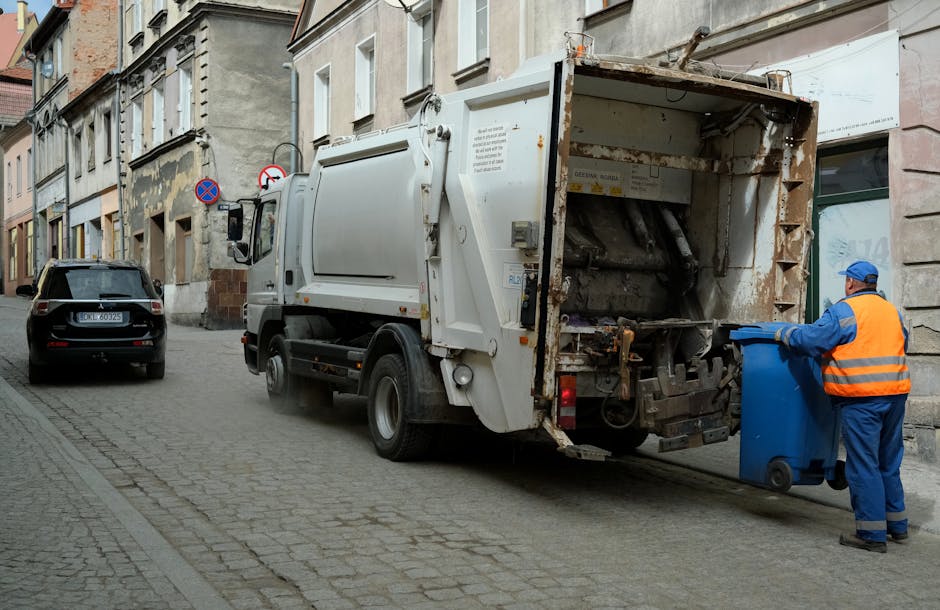
Why Ilford High Road skip alternative rubbish removal for flats Matters
Flats work differently from houses. That sounds obvious, but in day-to-day life it changes everything about waste removal. On a busy stretch like High Road, there is rarely a convenient front garden or drive where you can simply drop a skip and forget about it. Even if the space exists, you may need permission, and in many buildings the access just is not practical.
That is where a skip alternative becomes genuinely useful. Instead of renting a large container and managing permits, deliveries, and street space, you arrange a team to collect the rubbish directly from your flat, communal area, or agreed loading point. For many residents, that means less hassle and fewer awkward conversations with neighbours or building managers.
It also suits the rhythm of flat living in Ilford. People move quickly, refurbishments happen in phases, and storage is limited. One week it is a broken wardrobe, the next it is packaging from a new sofa, then a few bags of mixed clutter that have been quietly gathering in the spare room. It all adds up, rather fast sometimes.
If you are weighing up options across the area, it can help to look at the wider services overview and see how rubbish clearance fits alongside other specialist collections. For local context, you may also find it useful to read about Ilford as a place to live and how the area blends busy transport routes with residential blocks.
Key takeaway: For flats on or near Ilford High Road, skip alternative rubbish removal is often the simpler, safer, and less disruptive way to clear waste because it avoids the space, access, and permit headaches that skips can create.
How Ilford High Road skip alternative rubbish removal for flats Works
The process is usually more straightforward than people expect. You do not need to assemble a huge pile outside your building and hope it fits in a container. Instead, the collection team removes items directly from where they are stored, subject to access and safety.
In practical terms, it often looks like this:
- You describe what needs removing, including bulky items, mixed waste, or a rough estimate of volume.
- A collection is arranged for a suitable time, often with options that work around your schedule.
- The team arrives, confirms what is being taken, and carries items from the flat or agreed point.
- Waste is sorted for reuse, recycling, or disposal as appropriate.
- The space is left clear, so you can move on with your day without a skip sitting outside for a week.
That last part is a bigger deal than it sounds. A skip might feel cheap at first glance, but if you live in a flat, the real cost is often inconvenience. You may need to wait for delivery, manage access, ask neighbours to move cars, and keep an eye on what gets dumped into it by other people. Not exactly relaxing.
A proper rubbish removal service works more like a flexible clearance job. That makes it suitable for flats with narrow stairwells, shared entrances, lift access rules, or limited roadside space. It also helps if you need something done quickly, especially when moving out, after a delivery, or before a tenancy handover. If speed matters, a locally focused option such as same-day rubbish removal near Ilford Station shows how fast collections can be arranged in the area.
Key Benefits and Practical Advantages
People usually start looking for a skip alternative because they are trying to solve one problem. Then they realise it solves several at once. That is the real value.
- No need for a skip permit: In many situations, you avoid the paperwork and the uncertainty around placing a skip on the public road.
- Better for tight access: Flats, maisonettes, and converted buildings often have stairs, shared corridors, or awkward parking that make skips impractical.
- Less disruption to neighbours: There is no large container taking up space outside for days, which is a relief in communal buildings.
- Faster clearance: If you need a room emptied quickly, a collection service can often handle it in one visit.
- More flexible for mixed waste: Old furniture, bagged clutter, boxes, and renovation leftovers can usually be removed together if agreed in advance.
- Reduced manual effort for you: You do not have to drag everything downstairs yourself if the team offers collection from inside the property.
There is also a subtle but important benefit: it is easier to keep control of the job. With a skip, the pile can grow, and suddenly the thing you meant to do in one afternoon has become a week-long neighbourhood eyesore. With direct collection, the task has a start, a middle, and an end. Very satisfying, actually.
For people managing wider clearance projects, the same principle applies across house clearance in Ilford, waste clearance, and even builders waste disposal after small works. The method changes, but the need is the same: remove waste without creating new problems.
Who This Is For and When It Makes Sense
This approach is not just for one type of resident. It suits a fairly wide mix of people, especially in a busy local area like Ilford High Road where properties vary from purpose-built flats to older conversions.
You may benefit from skip alternative rubbish removal if you are:
- moving out of a flat and need to clear unwanted items quickly
- downsizing after years of accumulated clutter
- replacing furniture and need the old pieces gone on the same day
- handling a light renovation with packaging, broken fixtures, or mixed DIY waste
- helping a landlord prepare a flat for new tenants
- dealing with end-of-tenancy rubbish that should not be left in shared areas
- living in a block where skips are restricted, awkward, or frankly impossible
It is also a sensible option if you are looking to avoid the stress that comes with building management rules. Some buildings are relaxed, some are not. A lot depends on fire exits, access routes, and whether common areas must stay clear. In that setting, a collection service is often the neatest answer.
If you are buying or renting in the area, it helps to understand the rhythm of local property use too. These guides on buying a home in Ilford and Ilford property investment give a useful sense of how often flats change hands, refurbishments happen, and clearance needs appear at short notice.
Step-by-Step Guidance
If you are new to this, do not overthink it. A good collection job is usually built on preparation, not complicated planning.
1. Identify what actually needs to go
Walk through the flat room by room. Separate general rubbish from reusable items, and note anything heavy, awkward, or potentially restricted. A quick visual check helps more than you might expect. It is easy to underestimate how much is hiding in cupboards and under beds. Honestly, cupboards are sneaky.
2. Check access from the flat to the exit
Look at stairs, lift use, corridor width, and parking nearby. If there are any building rules about moving items through communal areas, plan around them. Clear access means quicker removal and less disruption for everyone.
3. Sort items by type if possible
Grouping bulky waste, bagged rubbish, furniture, and building offcuts can make the collection smoother. It also helps the team decide how to load and separate materials efficiently.
4. Get a clear quote
Ask what is included, what might count as extra, and whether loading from inside the flat is covered. This matters more than people think. If you want to avoid awkward surprises, take a look at how to avoid hidden charges in rubbish removal quotes before you book.
5. Confirm timing and special instructions
Let the provider know about parking constraints, access codes, lift restrictions, or any items that need particular handling. A five-minute conversation can save twenty minutes of faffing later.
6. Keep the path clear on the day
Move anything fragile or personal away from the route to the door. If possible, stack items safely in one place. You do not need to stage it like a film set, just make it manageable.
7. Check the space afterwards
Once the waste is removed, do a quick sweep of cupboards, balcony corners, and under sinks. These are the places where one stray bag likes to hide. Every flat has one.
Expert Tips for Better Results
To get the most from a skip alternative collection, a few habits make a real difference.
- Be accurate about volume: If you underestimate, the job may need to be split; if you overestimate, you may pay for more capacity than you need.
- Separate hazardous or specialist items: Paints, chemicals, batteries, fridges, and some electrical items may need different handling. Always ask first.
- Use photographs when requesting a quote: Clear pictures of the items and access route are far better than vague descriptions.
- Book around building activity: Avoid times when lifts are crowded, contractors are on site, or neighbours are likely to be moving furniture.
- Ask about recycling practices: A reputable team should explain how they sort mixed waste and what happens to reusable materials.
A small local tip: if your flat is near a busier part of High Road, timing matters. Early morning slots can be easier for parking and loading, especially when traffic starts to build. By mid-afternoon, things can feel a bit more chaotic. Not impossible, just busier.
It is also worth understanding what else the same provider handles. A company that manages garden waste removal, office clearance, and broader rubbish removal in Ilford is usually used to sorting different waste types properly, which is a good sign.
Common Mistakes to Avoid
This is the section that saves people money, time, and a fair bit of irritation.
- Leaving everything until the last minute: Rushing leads to poor sorting, poor access planning, and rushed decisions.
- Assuming all waste is accepted: Some items need special handling. Do not assume; ask.
- Forgetting about communal spaces: Stairwells, hallways, and shared entrances must stay safe and clear.
- Choosing only on price: A cheap quote that becomes expensive after extras is not really cheap at all.
- Not checking the provider's terms: You do not need to memorise every line, but you should understand what happens if the load is larger than expected.
- Blocking parking or access without warning: That can delay the whole job and upset neighbours. Nobody wants that on a Tuesday morning.
A good rule of thumb: if you would not be happy seeing the waste pile sit outside your own front door for two days, it probably belongs in a collection plan rather than a skip.
Tools, Resources and Recommendations
You do not need specialised equipment, but a few simple tools make the job easier and safer.
- Strong bin bags: Useful for light mixed waste and loose items.
- Labels or tape: Handy for marking items you want to keep separate.
- Moving gloves: Useful if you are handling cardboard, broken furniture, or dusty loft-style storage items.
- Phone camera: Best tool of all for getting an accurate quote and documenting what is being removed.
- Notebook or checklist app: Simple, but excellent for end-of-tenancy or moving day sorting.
For a broader understanding of how services are presented and what to expect, the pages on services and clearance options and pricing and quotes are useful starting points. If you want to understand the company's wider approach to recycling and material handling, the recycling and sustainability page is worth a look.
If you care about how your waste is handled after collection, ask the provider what happens to reusable items and recyclable materials. The answer should be clear, not woolly. A solid operation will be able to explain this in plain English.
Law, Compliance, Standards, or Best Practice
With waste removal, the main thing is to use a service that handles disposal responsibly and treats safety seriously. You do not need to become a legal expert, but you should know the basics.
For flat residents, the practical points usually include:
- Access and shared-space safety: Communal hallways and stairs need to remain clear.
- Waste segregation: Some materials require separate handling, especially electrical items, certain bulky goods, and anything potentially hazardous.
- Duty of care in practice: In simple terms, waste should go to a legitimate disposal route, not just disappear into thin air.
- Building rules and permissions: Leasehold or block management arrangements may affect where items can be left and when collections can take place.
It is sensible to ask whether a provider has appropriate insurance and uses safe manual handling practices. That is not being fussy; that is just common sense. If a team is carrying wardrobes down narrow stairs, safety matters a great deal. You can read more about this on the insurance and safety page and, for broader trust signals, the about us page.
For contracts and booking terms, a quick scan of the terms and conditions and payment and security information helps set expectations. If you prefer to understand how personal information is handled, the privacy policy is there too. Not thrilling reading, granted, but useful.
Options, Methods, or Comparison Table
Choosing between a skip and a skip alternative is usually about access, convenience, and the kind of waste you have. Here is a simple comparison.
| Option | Best for | Main advantage | Main drawback |
|---|---|---|---|
| Traditional skip | Large clearances with plenty of space | Good for ongoing filling over several days | Needs space, may need permits, can be awkward for flats |
| Skip alternative rubbish removal | Flats, tight access, quick clear-outs | Direct collection from the property, less disruption | Less useful if you want a container on site for a long period |
| Multiple council trips or self-haul | Very small amounts of waste | Can be low cost if you already have transport | Time-consuming, physical effort, awkward for bulky items |
For most flat residents on or near Ilford High Road, the second option is the most practical. It keeps the property tidy, reduces friction with neighbours, and avoids turning the pavement into a temporary storage yard. Let's face it, nobody wants that.
Case Study or Real-World Example
Imagine a two-bedroom flat above a parade of shops on High Road. The tenant is moving out on Friday, the new sofa arrives Wednesday, and the old one needs to go before then. There are also two broken bedside tables, a stack of cardboard packaging, a wobbly chair, and a few bags of general clutter that have somehow multiplied in the spare room.
A skip would be awkward here. There is limited roadside space, the resident does not want to block customers or traffic, and the building entrance is narrow. A skip may also require planning around access times and would sit outside long enough for the neighbours to notice every bit of it.
Instead, a skip alternative collection is arranged for an early morning slot. The team comes up with the correct equipment, removes the sofa and the mixed waste in one visit, and the flat is clear before the next delivery arrives. The tenant can focus on the move rather than wrestling with disposal logistics. Small win, big relief.
That is the real appeal: not fancy, not dramatic, just practical. And in a busy part of Ilford, practical usually wins.
Practical Checklist
Use this before you book or on the morning of the collection.
- List every item you want removed
- Separate anything you are keeping
- Take clear photos of the waste and access route
- Check lift, stair, and parking arrangements
- Confirm whether the team will collect from inside the flat
- Ask about any restricted or specialist items
- Review the quote so you understand what is included
- Keep communal areas clear
- Set aside keys, codes, or instructions if needed
- Do a final sweep of cupboards, balcony corners, and storage spaces
If you tick most of those off, the day usually runs smoothly. Nothing glamorous, just good preparation.
Get a free quote today and see how much you can save.
Conclusion
For flats on Ilford High Road, skip alternative rubbish removal is often the sensible answer because it works with the property, not against it. You avoid the usual skip headaches, keep shared spaces clear, and get the waste removed without turning the street into a storage zone. That alone makes life easier.
Whether you are moving, refurbishing, or simply reclaiming space from years of accumulated clutter, the best approach is the one that clears the waste cleanly and fits the realities of flat living. If you plan carefully, ask the right questions, and choose a provider that understands access and disposal properly, the whole process can be far less stressful than people expect.
And there is a nice feeling in it too - that moment when the last bag leaves, the floor is visible again, and the flat suddenly feels lighter. A bit calmer. More like home.



 Tipper Van - Waste Collection and Rubbish Removal Prices in Ilford, IG1
 Luton Van - Waste Collection and Rubbish Removal Prices in Ilford, IG1