






Insider tips to avoid delays in Ilford bulky rubbish jobs
Posted on 05/10/2026
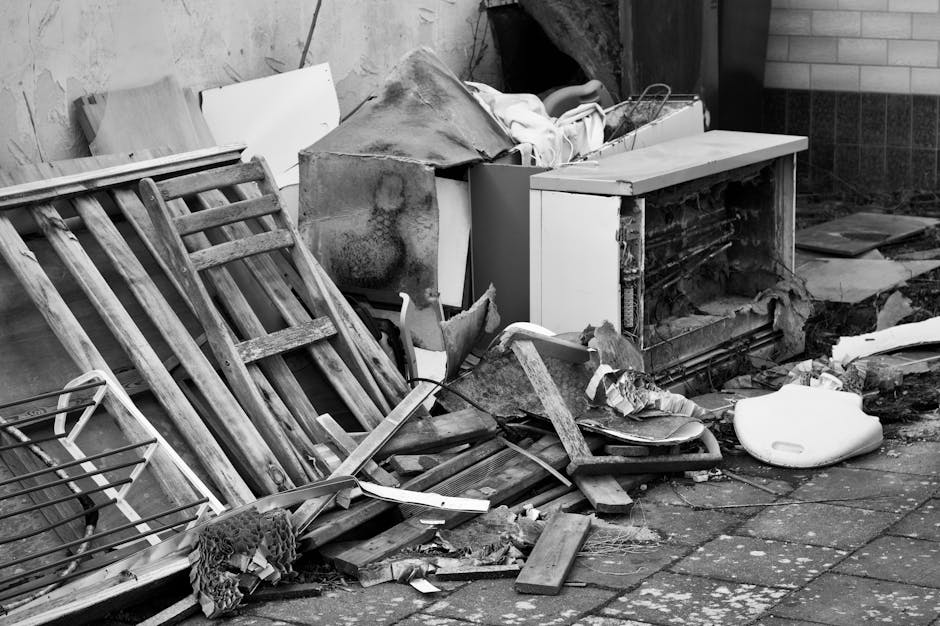
If you have ever lined up a bulky rubbish job in Ilford and watched it slip by an hour, a morning, or even a whole day, you will know how frustrating that can be. The truck is coming. The driveway is half clear. The hallway is full of old furniture. And then... something simple goes wrong.
This guide pulls together the most useful insider tips to avoid delays in Ilford bulky rubbish jobs, with a focus on the little details that make a big difference on the day. Not the obvious stuff, either. We are talking about access, photos, waste separation, parking, timing, and the small coordination steps that save a crew from having to call you back, wait around, or reschedule.
Truth be told, bulky rubbish jobs are often delayed by tiny avoidable issues rather than major problems. The good news? Once you know what crews need before they arrive, the whole thing becomes much smoother. That is what this article is for.
Why insider tips to avoid delays in Ilford bulky rubbish jobs matters
Delays in bulky rubbish removal are not just annoying. They can hold up a whole chain of events. Maybe the flat needs to be emptied before keys are handed back. Maybe builders cannot start until the old sofa, wardrobes, broken appliances, and debris are gone. Or maybe you have got a narrow window between school run, work, and a delivery van that is already circling the road outside.
In Ilford, where homes, flats, terraces, and mixed-use streets often sit close together, access is a real factor. A job that looks simple from the pavement can slow down quickly if the crew cannot park safely, if items are left in a back room, or if they need extra time to carry waste down stairs. You can almost hear the clock ticking when nobody has checked the access route properly.
The reality is this: most delays are predictable. That makes them preventable. A well-prepared bulky rubbish collection tends to run faster, cleaner, and with less back-and-forth. It also tends to be cheaper in practical terms, because time lost often becomes money lost. Not glamorous, I know, but very real.
There is also a trust angle here. When you provide clear information up front, the crew can give a more accurate expectation on timing, labour, and vehicle size. That means fewer surprises for you and fewer awkward conversations on the day. Everyone wins, basically.
How insider tips to avoid delays in Ilford bulky rubbish jobs works
A smooth bulky waste job is usually the result of good pre-job planning, clear communication, and realistic expectations. The process is simple in principle, but the success sits in the details.
It normally starts before the booking is confirmed. A good operator wants to know what needs removing, where it is located, whether there are stairs, lift access, parking constraints, and whether any items need to be dismantled. If you can answer those points clearly, the job can be scheduled more accurately from the start.
Then comes the pre-collection stage. This is where you can remove delays by sending photos, separating waste types, and making sure items are accessible. A crew that arrives and finds a locked side gate, a blocked hallway, or a pile of mixed waste in three rooms will naturally take longer. That is just how it goes.
On the day itself, the job runs best when the route from the item to the vehicle is clear. Think about the practical flow: front door, hall, stairs, entrance, parking spot. If one link in that chain is awkward, the whole job slows down. Sometimes by a little. Sometimes by a lot.
And then there is disposal. Different items can need different handling, especially if there are electricals, mattresses, garden waste, builders waste, or office contents involved. That is why it helps to know the general scope before the team arrives. It keeps the job tidy and helps avoid a second trip.
Key benefits and practical advantages
When bulky rubbish jobs run on time, the benefits are obvious. But a few of the smaller advantages are easy to miss.
- Less waiting around: You do not spend half the day wondering whether the van is around the corner or stuck somewhere.
- More accurate pricing: Clear details reduce the chance of time-based surprises or extra handling charges.
- Better access planning: This matters especially in streets near the station, busy roads, or buildings with limited loading space.
- Reduced stress: A well-organised collection feels calmer. Less noise, fewer phone calls, fewer "where should we put this?" moments.
- Cleaner handover: Useful if you are vacating a rental, preparing a property for sale, or clearing space for tradespeople.
- Better safety: Moving heavy or awkward items without a plan is where people strain backs and chip walls. Nobody wants that.
For landlords, letting agents, and homeowners working to a deadline, avoiding delays can be the difference between a tidy handover and a mess of last-minute excuses. For businesses, it can keep operations moving without interrupting staff or customers. And for anyone clearing a home after years of accumulated stuff, a smoother job just makes a difficult task feel more manageable.
Practical summary: the faster a bulky rubbish crew can see, access, and classify the waste, the less likely the job is to stall. Good preparation is not "extra"; it is the shortcut.
Who this is for and when it makes sense
This advice is useful for a surprisingly wide range of people. If you are thinking, "Well, I only have a few items," it still matters. In our experience, even one awkward sofa can cause a delay if the building access is poor or the item needs dismantling.
You will find this especially helpful if you are:
- clearing a flat or house in Ilford
- preparing for a move-out or tenancy handover
- getting rid of old furniture, white goods, or mixed household rubbish
- managing waste after a small renovation or redecoration
- organising office or shop clearance
- dealing with garden waste after a major tidy-up
- helping a relative downsize and needing a calm, efficient process
It also makes sense if you are comparing disposal methods. Some people think a skip is the simplest option until they realise they need permits, space, or several days of road presence. Others assume same-day removal always means instant. It rarely works like magic, to be fair. It still needs good planning.
If you are unsure whether your job is simple or complicated, ask yourself one question: could a team carry everything out in one clear route without stopping? If the answer is no, then the job probably needs a bit more coordination than you first thought.
Step-by-step guidance
Here is the simplest way to keep your bulky rubbish job moving without unnecessary delays.
1. List everything that needs removing
Write down every item. Not "a bit of furniture" but the actual things: wardrobe, two mattresses, broken TV, garden trug, boxed general waste, and so on. The more specific you are, the easier it is to estimate time and vehicle space.
2. Take clear photos from a few angles
Photos are one of the most underrated delay-prevention tools. A few wide shots and one close-up of larger items can tell a crew a lot: how much there is, whether items are stacked, and whether anything looks unusually heavy or awkward.
3. Check access before the booking
Look at the route from the waste to the vehicle. Are there stairs? A narrow hallway? A keypad gate? A lift that may not fit a wardrobe? A parked car blocking the front? This is the sort of thing people forget until the van arrives and the crew is standing there doing mental arithmetic.
4. Separate items if you can
Keep reusable, recyclable, and general waste apart where practical. You do not need to over-sort every screw and offcut, but rough grouping helps a lot. It speeds up loading and can prevent misunderstandings about what is included.
5. Decide what might need dismantling
Large beds, wardrobes, desks, and some shelving units may need to come apart to leave the property safely. If you can loosen fixings or remove drawers beforehand, that can save time. If not, say so in advance. A five-minute conversation can prevent a forty-minute stall.
6. Prepare parking and entry details
Tell the team where they can stop, whether there are time restrictions, and how the property is accessed. If there is a permit or visitor bay involved, make sure that is arranged well before arrival. This is one of those details that seems tiny until it is not.
7. Clear a path to the items
Move small obstacles out of the way. Shoes, bins, lamps, hanging plant pots, pushchairs, recycling crates - all the little clutter that makes heavy lifting slower. It does not need to be perfect. Just enough to give the crew a safe route.
8. Confirm timing and contact details
Have your phone charged and nearby. If the crew cannot get in touch, a delay can turn into a reschedule very quickly. A quick reply when they are outside often saves the day.
9. Be ready for a final check
When the team arrives, walk them through the load. Point out the priority items first. If something changed since booking, say it straight away. It is far better to correct the plan at the door than halfway through lifting.
10. Keep a little flexibility
Even with good planning, real life happens. A neighbour blocks access, traffic clogs the road, or one item turns out to be more awkward than expected. Build in a small buffer if you can. It makes the whole job feel less brittle.
Expert tips for better results
These are the finer points that often make the biggest difference. They are the sort of details that experienced crews quietly appreciate because they save everyone time.
Give the full picture, not the trimmed-down version. If you think there is a chance a cupboard contains extra rubbish, mention it. If the loft access is awkward, say so. If a mattress is waterlogged or a sofa is broken in half, that matters too. Nothing annoys a schedule more than surprises that could have been mentioned earlier.
Book around the property, not just around the calendar. If cleaners, decorators, or movers are also coming, make sure the bulky rubbish job fits between them. Sometimes the best time is not the earliest slot, but the slot where the route stays open and the room can actually be reached.
Watch for mixed material loads. A pile that looks simple may include wood, metal, plastic, textiles, and electricals. That is not a problem in itself, but it helps the crew plan sorting and loading. The job moves faster when no one has to guess.
Use photos that show scale. A photo of a sofa on its own is less useful than a photo of the sofa in the room with a doorway in view. Scale matters. So does context.
Keep sentimental items away from the work area. If there are things you might want to keep, move them well out of the way before the crew arrives. In the rush of a busy collection, small items can be overlooked. It happens.
Tell the truth about weight and access. A heavy filing cabinet on the second floor with no lift is not the same as a lightweight chair on the ground floor. The more honest the setup, the smoother the day.
Use a "staging spot." If possible, put all removable items in one easy-to-reach area the night before. A hallway, front room, or garage works well. That way the team is loading from a single point, not touring the property like lost tourists.
Leave a little room for good judgement. Sometimes a crew needs to adjust the loading order on the spot. That is normal. The best jobs are the ones where a sensible plan can still breathe.

Common mistakes to avoid
Most delays come from a small set of repeat mistakes. Avoid these and you are already ahead.
- Underestimating volume: "Just a few things" often becomes a van-full once everything is brought together.
- Not mentioning stairs or lifts: A second-floor walk-up is a very different job from a ground-floor pickup.
- Blocking access on the day: A car on the driveway or bins across the path can add needless minutes.
- Mixing everything together: It slows down identification and loading, especially with bulky furniture and loose waste in the same area.
- Assuming dismantling is automatic: Some items need tools or extra labour, and that needs to be factored in.
- Ignoring parking realities: Busy streets in Ilford can make a simple stop far more complicated than expected.
- Sending vague instructions: "It's at the back somewhere" is not much use if there are three routes to the back.
- Leaving the job until the last minute: A rushed booking is where people forget the details that matter most.
One small but common one: people forget that bulky waste often takes up more room in the doorway and passage than it does in the room itself. The room may look fine, then the sofa hits the corner and everything slows down. Annoying, yes. Fixable, also yes.
Tools, resources and recommendations
You do not need a warehouse of equipment to prepare properly, but a few simple tools make life easier.
- Phone camera: Use it to document the items and access route.
- Tape measure: Helpful for checking whether large items will fit through doors or into lifts.
- Marker labels or sticky notes: Useful if you are separating keep, remove, and donate piles.
- Basic tools: A screwdriver, hex key, or adjustable spanner can help if furniture needs simple dismantling.
- Gloves: Handy when sorting rough waste or moving dusty items.
- Notepad or checklist app: Keep the booking details, timing, and special instructions in one place.
If you are looking for broader service information, it can help to review the company's services overview and the specific support available for larger clear-outs such as house clearance in Ilford or waste clearance in Ilford. For pricing expectations and how quotes are usually structured, the page on pricing and quotes is also worth a look.
If your job includes a mix of items, the most relevant service pages can give you a better sense of what the team is set up to handle, whether that is rubbish removal in Ilford, builders waste disposal, or garden waste removal. That kind of planning saves time before the van even turns up.
Law, compliance, standards, or best practice
When you are arranging bulky waste removal, it pays to think about more than speed. The job should also be handled responsibly. In the UK, waste handling comes with legal and environmental expectations, and while you do not need to become a compliance expert overnight, a few basics matter.
First, make sure the waste goes to a legitimate destination and is handled by a responsible operator. If something sounds suspiciously cheap with no clear process behind it, be careful. Cheap is not a bargain if the waste later becomes your headache. That is a conversation nobody wants to have.
Second, if you are disposing of items with electrical parts, sharp edges, or anything potentially hazardous, mention it before collection. The crew may need to separate or handle those items differently. Safe handling is part of good practice, not an optional extra.
Third, if your property is shared or access is controlled, respect building rules and neighbour arrangements. A smooth removal should not create a corridor problem for everyone else. Little things matter: door propping, lift use, parking, and keeping shared areas clear.
For businesses, the standards are even more important. Offices, shops, and landlords may have additional duties around clear record keeping, safe access, and ensuring waste is not left unsecured. If you are unsure, it is sensible to ask questions before booking rather than after the collection has begun.
Finally, recycling and reuse best practice can reduce the amount of material that needs to be loaded and moved. Sorting what can be separated, donated, or recycled often makes the whole process neater. The company's page on recycling and sustainability is a helpful place to understand that approach in plain English.
Options, methods, or comparison table
There is more than one way to handle bulky rubbish. The best option depends on access, volume, timing, and how much hands-on work you want to do yourself.
| Method | Best for | Typical strengths | Where delays happen |
|---|---|---|---|
| Booked bulky rubbish collection | Mixed household or business items that need quick removal | Convenient, flexible, often faster when access is prepared | Access problems, vague instructions, unprepared items |
| Skip hire | Projects with space for a skip and steady waste generation | Good for ongoing work, simple dumping on your schedule | Permits, placement, space limits, loading over time |
| Self-haul to a facility | Smaller loads and people with suitable transport | Control over timing, direct handling | Vehicle size, loading effort, travel time, queueing |
| Phased clearance | Large homes, hoarding situations, staged moves | Less overwhelming, easier to organise in steps | Needs more planning and consistent communication |
If you are in a flat or a street with tight parking, a booked collection often ends up being the least disruptive option. That said, if you have a big renovation with regular waste output, another method may fit better. It depends. Funny how the "best" solution is rarely the same for every job.
Case study or real-world example
A common scenario goes like this. A family in Ilford is clearing a property after a move. They have an old wardrobe, a bed frame, two mattresses, a broken chest of drawers, and a few black bags of mixed household items. They book a bulky rubbish collection for late morning because that fits around school drop-off.
At first, the job looks straightforward. But the team call ahead and discover the wardrobe is still in the bedroom upstairs, the hallway is full of boxes, and a delivery van is blocking part of the access road. If the collection had gone ahead as-is, the crew would have had to wait, manoeuvre awkwardly, and possibly return later.
So what changed the outcome? The customer quickly moved the boxes, sent a better photo of the upstairs layout, and confirmed a side entrance could be used once the van was parked slightly further along the road. The wardrobe was also partially dismantled before the team arrived. The collection ended up going ahead, just later than planned, and it ran much more smoothly after that short reset.
That is the real lesson. Delays are often not about the amount of rubbish. They are about the route to it. Once the route is clear, the job starts to behave itself.
Practical checklist
Use this before your Ilford bulky rubbish job to cut the chance of delay.
- List every item that needs removing.
- Take clear photos of the items and the access route.
- Confirm stairs, lifts, and narrow corridors.
- Check parking space and any restrictions.
- Move smaller obstacles out of the way.
- Separate items where practical.
- Flag anything heavy, fragile, or awkward.
- Say whether items may need dismantling.
- Keep your phone on and nearby.
- Make sure someone is available to meet the crew.
- Ask about mixed waste, electricals, or special items in advance.
- Build in a little flexibility for traffic or access issues.
It sounds simple. That is because it is. But simple is good here. Simple keeps the day moving.
Conclusion
The best insider tips to avoid delays in Ilford bulky rubbish jobs all come back to one thing: help the crew do the work without having to guess. Be clear, be honest, and make access easy wherever possible. Small actions before collection day can save a surprising amount of time, stress, and awkwardness.
If you remember nothing else, remember this: photos, access, parking, and item details solve most delays before they begin. That is the whole trick really. Not glamorous, not complicated, just effective.
If you are planning a clearance soon and want a smoother experience, take a moment to review the service details, check the pricing setup, and prepare the site properly. A few calm minutes now can save a very busy hour later.
Get a free quote today and see how much you can save.
And when the last bulky item is finally out of the way, there is something quietly satisfying about that empty space. Fresh air, clear floorboards, room to breathe. Properly nice, that.


 Tipper Van - Waste Collection and Rubbish Removal Prices in Ilford, IG1
 Luton Van - Waste Collection and Rubbish Removal Prices in Ilford, IG1