






Seven Kings house clearance case study before and after
Posted on 07/07/2026
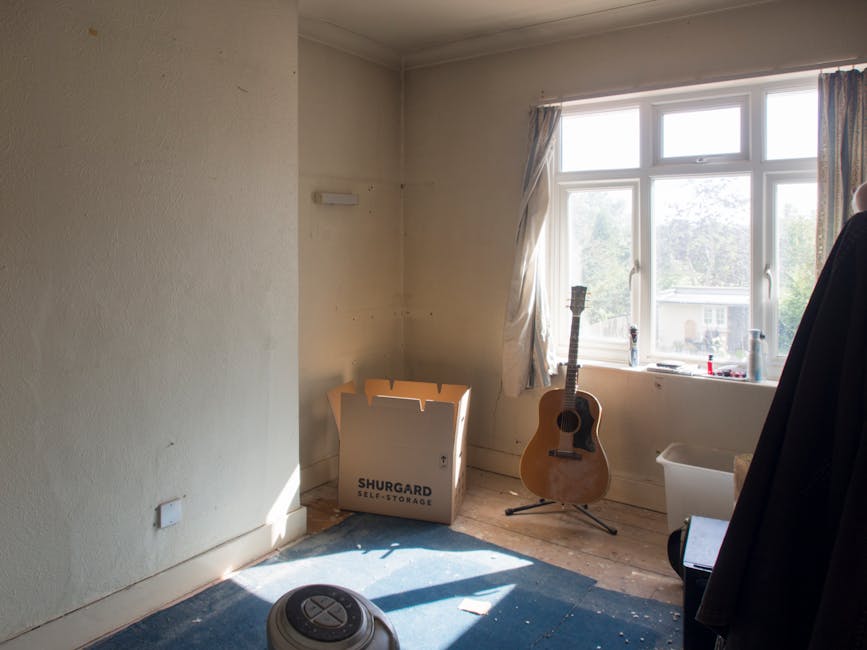
Seven Kings house clearance case study before and after: a practical local breakdown
If you have ever stood in a cluttered room and thought, where do I even start?, this guide is for you. A Seven Kings house clearance case study before and after is one of the clearest ways to understand what a proper clearance actually looks like in real life: the starting mess, the planning, the removal work, and the finished result. It is not just about "getting rid of stuff". It is about making a home safe, usable, and emotionally easier to live with again. In Seven Kings, that can matter just as much as speed, because homes here are often busy family spaces, investment properties, or places being prepared for sale, let, or a difficult life transition.
In this article, we'll walk through the process in a grounded, human way. You'll see why the before-and-after comparison matters, how a clearance is usually approached, what benefits people notice straight away, and where the common mistakes tend to creep in. We'll also cover compliance, cost-conscious planning, and a realistic example of what a house clearance outcome can look like without turning it into some glossy fantasy. Let's face it, real clearances are rarely glamorous. But they can be a huge relief.
Why Seven Kings house clearance case study before and after Matters
People search for a before-and-after case study because they want more than a definition. They want proof of what changes, what it takes, and whether the result is worth it. That is especially true for a Seven Kings house clearance, where the property may be inherited, downsized, prepared for sale, or simply overwhelmed by years of accumulated furniture, boxes, and mixed household waste.
The before picture usually tells a messy story: rooms blocked by furniture, cupboards full of forgotten items, loft spaces that have quietly become storage black holes, and a general feeling that the house is doing too much. The after picture, on the other hand, should show usable rooms, clearer access, and a property that feels lighter. Sometimes the biggest change is not visual. It is the lift in mood. You walk in and your shoulders drop. That matters.
This topic also matters because a house clearance is not the same as a quick rubbish removal job. A proper clearance often involves sorting, separating reusable items, handling potentially sensitive belongings, and deciding what can be donated, recycled, or disposed of responsibly. If you want the bigger picture of local service options, it can help to look at the wider service overview as well as a dedicated house clearance service.
There is another reason the case study format works well: it helps you estimate effort. A one-bedroom flat with a few bulky items is a very different job from a family house with loft storage, garage clutter, and a garden full of broken bits. The before-and-after story gives you a realistic frame of reference. Not perfect, just useful.
How Seven Kings house clearance case study before and after Works
A good clearance usually follows a simple rhythm: assess, sort, remove, tidy, and confirm. The details vary, of course, but the structure is remarkably consistent. If you understand that sequence, the whole process becomes less intimidating.
First comes the assessment. This might be done by photos, a video call, or an on-site visit depending on the situation. The aim is to understand volume, access, item types, and any restrictions. Tight stairwells, shared entrances, parking limitations, and floor level all matter more than people expect. In Seven Kings, especially with terraced houses or flats, access can change the whole plan.
Then comes sorting. Good clearance work separates items into broad groups: keep, donate, recycle, and remove. That sounds simple. It rarely is. Old paperwork, sentimental possessions, and mixed bags of unknown contents can slow everything down. A practical team will work carefully rather than tossing everything into one pile and calling it a day.
After sorting, the removal stage begins. This is where the labour happens: lifting, carrying, loading, and making sure items are handled safely. Depending on the contents, some jobs may be more like waste clearance, while others are closer to a full house clearance with carefully managed belongings. For mixed jobs, a waste clearance approach can be helpful where disposal needs are broad rather than purely household-based.
Finally, there is the after-stage. A proper after result should not leave you with scattered dust, broken packaging, or random bits forgotten under a radiator. You want the house left in a state that allows the next decision: sell it, rent it, redecorate, or move in. That's the point, really. The room should breathe again.
Key Benefits and Practical Advantages
The obvious benefit is space. The deeper benefit is control. Once the clutter is gone, you can actually see the property for what it is, not what it has become over time.
Here are the most practical advantages people notice after a Seven Kings house clearance:
- Faster property preparation for sale, let, refurbishment, or probate work.
- Safer rooms with fewer trip hazards, blocked exits, and unstable piles.
- Better visual presentation, which matters if an estate agent, contractor, or family member needs to inspect the house.
- Less emotional pressure because decision-making becomes clearer once the volume is reduced.
- More efficient follow-up work such as decorating, cleaning, or repairs.
- Improved recycling outcomes when reusable and recyclable items are separated properly.
There is also a financial angle. A clear, tidy property can be easier to quote on for repairs or refurbishment, because tradespeople are not working around piles of unwanted items. That can save time, and time is money, even if nobody says it out loud at first.
If you are comparing clearance options, it is worth checking both pricing clarity and service detail. A transparent provider should explain what is included and what might count as extra handling. This is where pricing and quotes information becomes useful, especially if your property has bulky furniture or mixed waste types.
Who This Is For and When It Makes Sense
This kind of clearance makes sense for a wide range of people, not just one type of homeowner. In practice, the common situations include:
- Families clearing a long-occupied home after downsizing.
- Landlords preparing a property between tenancies.
- Executors or relatives dealing with an estate or probate property.
- Homeowners getting ready for sale or refurbishment.
- People moving after a major life change and needing a clean start.
- Anyone who has simply reached the point where the clutter has got away from them a bit. It happens.
Seven Kings is a good example of an area where these needs overlap. You may have older properties with lots of storage, or homes that have been adapted over years. That can create rooms full of half-used furniture, boxes of miscellaneous items, and the usual "I'll deal with that later" cupboard. Later tends to arrive with interest.
It also makes sense when you want to avoid doing everything yourself. A DIY clearance may look cheaper at first, but once you factor in vehicle hire, lifting, sorting, disposal rules, and multiple trips, the picture can change quickly. For many people, the practical choice is to combine time-saving with responsible handling through a local clearance service.
Step-by-Step Guidance
If you want a smoother before-and-after outcome, a structured plan is your best friend. Not exciting, perhaps, but very effective.
- Walk through the property room by room. Make a quick note of bulky furniture, white goods, bagged waste, fragile items, and anything that needs to be kept aside.
- Decide what stays, what goes, and what needs review. A three-way split is often enough. Keep it simple.
- Identify access issues. Think about stairs, parking, lift access, shared hallways, and narrow doors. These details affect time and manpower.
- Separate sensitive items early. Personal documents, jewellery, and sentimental belongings should be removed before clearance day where possible.
- Take photos if you are getting a quote remotely. Wide shots and a few close-ups usually work better than one rushed picture of a corner.
- Confirm what kind of clearance you need. House clearance, rubbish removal, builders waste disposal, or a mixed service? The job type matters.
- Arrange the timing around your real schedule. If the property is being sold or handed back, build in a little breathing room. Rushed clearances can get messy.
- Check the after-state. Once the removal is done, look at what remains and decide whether cleaning, repairs, or staging should happen next.
A small but useful tip: keep a "maybe" pile separate. If you force every uncertain item into a keep-or-throw decision too early, the whole job becomes exhausting. I've seen people burn out by lunchtime just from that. No need.
Expert Tips for Better Results
There are a few habits that make the difference between a decent clearance and a genuinely satisfying one.
1. Start with the hardest room first. That might be the loft, garage, or front bedroom that has quietly turned into storage. Once the hardest space is under control, the rest feels easier.
2. Keep an eye on item categories. Mattresses, electrical items, garden waste, and mixed materials often need different handling. If you are also dealing with outdoor clutter, it may be worth looking at a garden waste removal option alongside the house clearance.
3. Ask about reuse and recycling early. Not everything has to go to disposal. Some items may be suitable for reuse or separation. That is better for the environment and often for the cost too.
4. Photograph before and after properly. It sounds minor, but good photos help with records, family updates, insurance conversations, or property management. Also, they are oddly satisfying.
5. Allow for emotional pauses. If the property belonged to a relative, a room full of old paperwork or personal belongings can slow things down. That is normal. There's no prize for rushing through it like a factory line.
For people who want to understand the company side of things as well, reading more about the business background and recycling and sustainability practices can help build confidence before booking.

Common Mistakes to Avoid
Most clearance problems are avoidable. The trouble is, they usually happen when people are under pressure and trying to make quick decisions. Fair enough, but still avoidable.
- Not separating keep items early. If valuables or important papers are mixed into the clearance load, retrieval gets complicated.
- Underestimating access difficulties. Parking restrictions, tight stairs, and long carrying distances can affect timing and cost.
- Assuming all waste is treated the same. Different materials need different handling, and not all removal methods are suitable for every item.
- Leaving everything until the final day. This is how stress rises. A little preparation goes a long way.
- Choosing purely on price. The cheapest option is not always the best when you need reliability, safety, and proper disposal.
- Forgetting local waste rules. Illegal dumping or sloppy disposal can create bigger headaches than the original clutter.
One especially common mistake is trying to turn a clearance into a skip-or-nothing decision. In flats or busy streets, a skip alternative may be more practical than a traditional skip, which is why people sometimes explore skip alternative rubbish removal for flats when access is awkward.
Another common slip? Not asking what happens after collection. If you care about responsible disposal, ask whether the provider works with sorting, recycling, and compliant handling. It is a fair question. Actually, a very fair question.
Tools, Resources and Recommendations
You do not need a mountain of equipment to plan a clearance, but a few simple tools make the process much easier.
- Sticky notes or coloured labels for keep, remove, donate, and uncertain items.
- Phone camera for room-by-room photos and quote requests.
- Strong bags or boxes for documents, valuables, and items you want to sort before removal day.
- Measuring tape for bulky furniture and access points.
- Notebook or checklist to track what has already been dealt with.
For practical planning, the most useful resources are usually the service pages and guidance articles that explain scope, safety, and local context. If you want the broader picture of available services, the services overview is a good starting point. If you are comparing local same-day needs, same-day rubbish removal near Ilford Station is a useful read. For urgent jobs around the east side of the area, the article on urgent rubbish removal and same-day quotes can also help frame your expectations.
If your clearance is part of a wider move, sale, or renovation, you may also find it helpful to explore local property-focused guidance such as the Ilford home buying guide or Ilford real estate insights. Those pieces help you think about timing, presentation, and property value in a more rounded way.
Law, Compliance, Standards and Best Practice
For house clearance, the compliance side matters more than many people realise. In the UK, household waste should be handled responsibly, and duty of care principles generally mean you should not hand rubbish to anyone who may dump it illegally. You do not need to be a legal expert to make sensible choices, but you do need to ask the right questions.
Best practice usually includes:
- Using a provider that explains what happens to removed items.
- Keeping documentation or job details where relevant.
- Checking that electrical items, mattresses, and mixed waste are dealt with appropriately.
- Being careful with confidential papers and personal data.
- Ensuring access and loading do not create avoidable safety issues for neighbours or passers-by.
If a clearance includes building materials, refurbishment debris, or renovation leftovers, then a more specialised disposal approach may be needed. In those cases, a builders waste disposal service is often the better fit than a standard household clearance.
It also helps to know the basics of payment clarity and safety. A professional service should be transparent about pricing, clear on terms, and careful around site conditions. That is not overkill. It is just good practice. If you want to check those trust signals before proceeding, see payment and security and insurance and safety.
Options, Methods, or Comparison Table
There are a few ways to tackle a cluttered property. The right one depends on time, volume, access, and how much sorting you want to do yourself.
| Option | Best for | Pros | Trade-offs |
|---|---|---|---|
| DIY clearance | Small loads and lots of spare time | Full control, possible lower direct cost | Time-heavy, physical work, disposal headaches |
| Skip hire | Predictable volumes and accessible driveways | Simple for ongoing works, good for staged loading | Needs space, permits may be relevant, no lifting help included |
| Professional house clearance | Full homes, probate, downsizing, sensitive jobs | Fast, managed, less stress, sorting support | Usually costs more than DIY on paper |
| Mixed clearance and rubbish removal | Homes with a combination of furniture, general waste, and odd items | Flexible, practical, often efficient | Needs clear communication about item types |
For many Seven Kings households, the professional option wins because it balances speed and sanity. That said, if you only have a few items and a clear plan, DIY can still make sense. It depends. Not every job needs the same tool.
Case Study or Real-World Example
Here is a realistic example of what a Seven Kings house clearance before and after can look like, without inventing some over-dramatic story. A family needed to clear a three-bedroom property after years of accumulation. The house had standard furniture in the living room, a packed loft, a garage full of mixed household items, and a back garden with broken bits, old planters, and general clutter from unfinished projects.
Before: The hallway was partially blocked. Two bedrooms had become storage rooms. The loft had boxes stacked in awkward piles, and nobody was quite sure what was in half of them. The family wanted the property cleared so a refurbishment could begin, but they were short on time and emotionally tired. One of those jobs where everyone keeps saying, "We really should sort this out," and then nobody does because life gets in the way.
What was done: The property was assessed, priority items were identified, and the family separated keeps, sensitive documents, and anything they wanted to review later. The clearance then focused on bulky furniture, mixed household waste, old broken items, and outdoor clutter. The job was planned so access stayed safe and usable, which matters more than people think when the front room fills with bags and furniture parts.
After: Rooms were left open and usable, the loft was no longer a guessing game, and the family could finally see the property properly. The garden felt larger simply because the old waste was gone. The difference was not just visual. It changed the mood of the whole place. They could move forward with the refurbishment instead of circling the clutter for another month.
The useful lesson here is simple: a good before-and-after result is not about making the house look empty for the sake of it. It is about giving the property back to the people who need to use it. That's the real outcome.
Practical Checklist
Use this checklist if you are planning a Seven Kings house clearance and want to keep things calm and organised.
- Identify the rooms and spaces that need clearing.
- Separate valuables, documents, and sentimental items first.
- Take wide photos of each space for planning and quoting.
- Check access: stairs, parking, shared entrances, and lift availability.
- Decide whether you need house clearance, waste clearance, or a mixed service.
- Ask what happens to reusable, recyclable, and bulky items.
- Confirm timing, arrival window, and what needs to be ready on the day.
- Keep pets, children, and fragile items out of the working route.
- Review the property after the clearance and note any follow-up tasks.
- Store any paperwork or receipts in case you need them later.
If your property includes a neglected garden or outdoor storage area, it can be smart to deal with that at the same time rather than leaving it for "another day". Another day has a funny habit of not turning up.
For related local advice that can help with planning around property, area moves, or wider household decisions, you may also find Ilford as a place to live and Venturing into Ilford useful in shaping the bigger picture.
Conclusion
A Seven Kings house clearance case study before and after is useful because it turns a vague job into a clear process. You can see the starting point, understand the effort involved, and picture the outcome more realistically. Whether you are dealing with a family home, a rental, or a property that has just simply got out of hand, the same principle applies: sort carefully, remove responsibly, and leave the space ready for what comes next.
The best clearances do more than remove unwanted items. They make a property feel usable again. They reduce stress. They create momentum. And sometimes, that momentum is what people need most. One cleared room leads to another, and suddenly the house feels manageable again.
Get a free quote today and see how much you can save.
And if you are still standing in front of a packed room wondering where to start, start small. One shelf, one corner, one decision at a time. That is usually enough to begin.


 Tipper Van - Waste Collection and Rubbish Removal Prices in Ilford, IG1
 Luton Van - Waste Collection and Rubbish Removal Prices in Ilford, IG1