






Valentines Park bulky rubbish collection and recycling help
Posted on 13/10/2026
Valentines Park bulky rubbish collection and recycling help: a practical local guide
If you live near Valentines Park, or you're clearing a flat, a family home, a garden corner, or even a small office close by, bulky waste can become one of those jobs that looks easy right up until you start moving the first awkward item. A mattress won't fit in the car. A wardrobe is heavier than it looks. Old appliances seem to multiply overnight. That's where Valentines Park bulky rubbish collection and recycling help becomes genuinely useful: it gives you a clear, sensible way to clear space without turning the day into a marathon.
This guide walks through how bulky rubbish collection works, what can usually be recycled, when it makes sense to book a specialist team, and how to avoid the most common mistakes. You'll also find a checklist, a comparison table, and some local-minded advice that should save you time, stress, and a few unnecessary trips back and forth. Truth be told, the real win is not just getting rid of stuff; it's doing it properly.
Why Valentines Park bulky rubbish collection and recycling help Matters
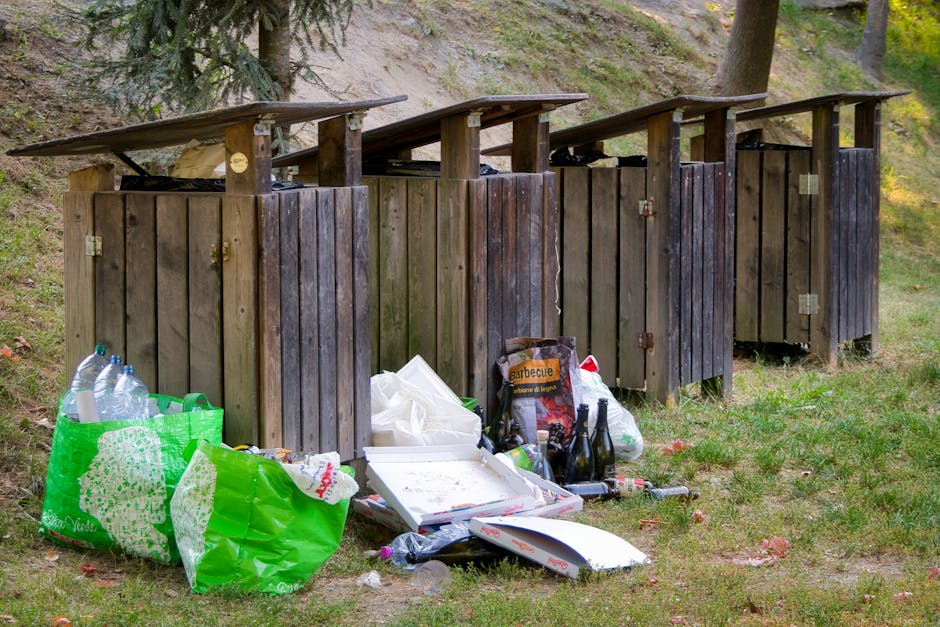
Bulky rubbish is not the same as everyday household waste. It takes up space, often needs two people to move safely, and can include materials that should be separated rather than thrown together. In a busy area like Valentines Park, that matters for a few reasons. Streets are tighter than people expect, parking can be awkward, and a half-dismantled sofa on the pavement is not exactly a good look for the neighbourhood.
There is also the recycling side of the story. A lot of bulky items contain reusable or recyclable components: wood, metal, textiles, hard plastics, electrical parts, and sometimes even items that can be refurbished. If you treat everything as landfill waste, you miss a better option. Recycling help is about sorting the useful from the unusable and making sure the right material goes to the right place. Simple idea, but it makes a real difference.
For many households, the issue is not a single item. It's the accumulation: a bed frame from the spare room, a broken chest freezer, a pile of packaging after furniture delivery, or leftover material after decorating. That's why a structured bulky rubbish collection service is often more practical than piecing together multiple trips to a tip you may not have the time, vehicle, or energy to reach.
If you're planning a broader clear-out, it can help to look beyond one-off disposal and think in terms of a full waste clearance service in Ilford. That approach is often easier when several kinds of waste are involved, especially if you're dealing with mixed rubbish and recyclable materials at the same time.
How Valentines Park bulky rubbish collection and recycling help Works
At its simplest, the process is about identifying what needs to go, separating recyclable or reusable items where possible, and arranging collection at a time that suits your schedule. In practice, there are a few moving parts.
Typical collection process
- List the items - Write down everything you want removed. Be specific. "Old stuff" is not very helpful, but "double mattress, dismantled wardrobe, three black bags, and a broken microwave" is.
- Check what can be recycled - Metals, cardboard packaging, certain appliances, and some wood items may be suitable for recycling or recovery.
- Separate hazardous or restricted items - Paint, solvents, sharp materials, and some electricals need extra care. Don't leave these mixed in with general rubbish.
- Choose the right collection option - A bulky item pickup, a general rubbish removal, or a fuller clearance job may be the best fit depending on the load.
- Arrange access - Make sure the items are reachable, doors are clear, and parking or loading access is thought through. This sounds obvious, but it is the bit people forget most often.
- Collection and sorting - Items are removed, then sorted for reuse, recycling, or responsible disposal.
Most of the stress comes from poor preparation, not the actual removal. A clean path to the door, a quick item list, and a sensible idea of what is recyclable can shave a surprising amount of time off the job. If you're looking for a broader service overview before booking, the services overview is a useful place to understand how different clearance options compare.
For residents close to transport links or busy roads, same-day timing can sometimes be a practical solution, especially when bulky items are blocking a hallway or making a move-out messy. In those cases, a local same-day rubbish removal option near Ilford Station shows how quickly a collection can sometimes be arranged when things are urgent.
Key Benefits and Practical Advantages
There's more to this than simply making the room look tidy. The right collection and recycling support can help in a few very practical ways.
- Less physical strain - Bulky items can be awkward, heavy, or just plain clumsy. A sofa down a narrow hallway is not a one-person job for most people.
- Better recycling outcomes - Items that might otherwise be binned can often be separated and processed more responsibly.
- Cleaner living space - A spare room, cellar, shed, or garage can become genuinely usable again.
- Faster property turnover - Handy for landlords, sellers, tenants moving out, or anyone getting a home ready for photos or viewings.
- Reduced risk of fly-tipping mistakes - If you can't legally or safely dump something yourself, booking proper help is the cleaner route.
- Less waste going to the wrong place - Reuse and recycling become part of the process, not an afterthought.
There is also a bit of peace of mind in knowing the job is being handled properly. That matters more than people admit. After a long week, the last thing you want is a garden full of broken furniture and a plan that turns into a second job. Been there, regretted that.
For some households, a focused clearance can also tie into a broader home improvement or move. If you're already updating a property, the right support may overlap with builders waste disposal in Ilford, especially when old fixtures, offcuts, and packaging are part of the mix.
Who This Is For and When It Makes Sense
This kind of help is useful for more people than you might think. It isn't only for major house clearances or big commercial jobs. A single bulky item can justify the call if you can't remove it safely yourself.
Common situations where bulky rubbish help makes sense
- Home movers who need to clear furniture before handing back keys
- Landlords and letting agents dealing with left-behind items after tenancies
- Families clearing spare rooms, lofts, garages, or sheds
- Homeowners renovating and needing old fittings removed quickly
- Office managers replacing desks, chairs, shelving, or filing units
- Garden owners with old outdoor furniture, broken planters, or mixed green waste
If the job is larger than "two items and a bin bag", it's worth stepping back and thinking about the right type of clearance. For example, a deceased estate or end-of-tenancy clean-out often needs more than a simple pickup. In those situations, a house clearance service in Ilford may be the better fit because it handles varied contents in one visit.
Business premises are a different story again. Old office chairs, broken monitors, and filing cabinets can build up quickly. If that sounds familiar, office clearance in Ilford can save a lot of time compared with trying to deal with it piecemeal.
And if the job is mostly outside, think garden. A stack of broken pots, turf bags, fence panels, and old furniture usually needs a slightly different plan. In that case, garden waste removal in Ilford may be more appropriate than a generic rubbish collection.
Step-by-Step Guidance
Here's a simple, real-world way to handle the job without overcomplicating it.
1. Walk the property first
Do a full walk-through and decide what really needs to go. It helps to be ruthless here. If an item has been sitting unused for a year and you're only keeping it because it "might come in handy", that's usually a sign to let it go.
2. Sort into rough categories
Group items into furniture, electricals, metal, wood, textiles, and general waste. That makes recycling easier and helps the collection team plan the load. A quick sort can also reveal hidden surprises like batteries tucked inside gadgets or loose screws in a drawer.
3. Separate anything sensitive or unsafe
Sharp metal, broken glass, chemicals, and any potentially hazardous materials should be isolated. If you are unsure about a specific item, ask before collection rather than guessing. That small pause can prevent damage and avoid a messy handover.
4. Clear access routes
Make the route from item to exit as easy as possible. Move small obstacles, unlock gates if needed, and think about where the vehicle can safely stop. On a wet London morning, every extra step becomes a puddle, a slipper, or both. Not ideal.
5. Choose reuse or recycling where possible
Not everything has to be thrown away. A decent service will try to separate recyclable materials and divert reusable items when feasible. That can include metal bed frames, reusable timber, and some electrical items. Some things, frankly, are past saving. Others are not.
6. Confirm the collection details
Before the appointment, double-check access, item list, and timing. If you're booking through a local provider, it also helps to review the pricing process in advance via the pricing and quotes page so there are no surprises.
7. Final sweep
Once the items are gone, do a quick check for loose fixings, screws, packaging, and dust. That last 10-minute sweep often makes the biggest visual difference.
Expert Tips for Better Results
A few small habits can make bulky rubbish collection much smoother. Nothing flashy. Just practical stuff that works.
- Disassemble where safe - Flat-pack furniture, bed frames, and shelving are often easier to carry once broken down.
- Keep recyclable materials separate - Cardboard packaging and scrap metal are easier to process if they are not mixed with general waste.
- Photograph awkward items - A quick picture can help confirm size, access, and whether extra help is needed.
- Stack carefully, not creatively - Don't build a leaning tower of old furniture. It always looks clever until it falls over.
- Think about timing - If you're moving house or hosting guests, book before the deadline panic starts.
- Ask about recycling routes - If sustainability matters to you, choose a service with a clear approach to sorting and recovery.
That last point matters more than people sometimes realise. A responsible provider should be able to explain, in plain language, how recyclable waste is separated and where the different materials are likely to go. If you want to understand the broader approach, the recycling and sustainability page is worth a look.
A small but useful local insight: if you're in a terraced street or a flat with tight access, the job often goes faster when the items are already grouped near the exit. Saves a lot of shuffling in corridors, and yes, that does make a difference.
Common Mistakes to Avoid
The mistakes tend to be predictable, which is good news, because predictable problems are the easiest ones to fix.
- Leaving sorting until collection day - That's how jobs run late.
- Mixing every material together - Makes recycling harder and can slow the collection down.
- Assuming everything is recyclable - Not all composite items can be split easily.
- Forgetting access issues - Locked gates, blocked stairwells, or no parking plan can create delays.
- Ignoring item condition - Broken glass, exposed nails, and leaking appliances need care.
- Choosing the wrong service type - A single-item removal is not the same as a full property clearance.
One surprisingly common mistake is underestimating how long bulky waste takes to remove from upper floors or narrow hallways. A sofa on the ground floor is one thing. A sofa on the third floor with a tight turn on the stairs? Different mood entirely.
Another is using the word "recycling" too loosely. Some materials can genuinely be recovered. Others are better described as diverted to proper processing rather than recycled in a narrow sense. The honest version is usually the best version.
Tools, Resources and Recommendations
You don't need a shed full of specialist gear to prepare for a bulky rubbish collection, but a few basic tools make the job easier.
- Work gloves for handling rough or dusty items
- Mask or face covering if there's a lot of dust or attic debris
- Heavy-duty bin bags for small loose waste
- Screwdriver or hex key set for dismantling furniture
- Marker pen and tape to label items if several people are helping
- Phone camera for recording items or confirming access details
For property owners and buyers, it can also help to read local area information before planning a move. If you are settling into the neighbourhood or comparing streets, these local reads can be useful: Ilford as a place to live, the Ilford home buying guide, and a look at Ilford as a neighbourhood. They are not waste guides, of course, but they help when clearance is part of a bigger move.
For a sense of the team behind the service, the about us page is helpful. And if you want to see the full range of service options in one place, the main services page is the best starting point.
Law, Compliance, Standards, or Best Practice
Bulky waste collection is not just about convenience. There are sensible legal and environmental expectations around how waste is handled. You do not need to memorise legislation to stay on the right side of things, but you should follow a few straightforward best practices.
Use a lawful collection route. If someone offers to take waste away cheaply but cannot explain how it will be handled, that is a red flag. Responsible disposal means the waste is transported, sorted, and managed properly by an authorised operator.
Keep waste separated where possible. Mixed loads can still be handled, but separating recyclables and hazardous items helps reduce the risk of contamination. It also improves the chances that usable material is recovered rather than discarded.
Be careful with electrical items. Fridges, freezers, monitors, and other electrical goods often need special handling. Don't strip them apart unless you know what you're doing. In many cases, leaving them intact is safer.
Do not dump items in shared spaces. Stairwells, communal entrances, and pavements are not temporary storage areas. Besides being messy, it can create fire, trip, and access issues. Neighbours notice these things. Quite quickly, too.
Choose providers with clear safety practices. Insurance, trained handling, and safe lifting procedures are all signs of a professional operation. If you want reassurance on that front, the insurance and safety information explains the kind of standards to look for.
Check terms before booking. A plain-English review of collection limits, accepted items, and payment terms prevents misunderstandings later. The terms and conditions page is useful if you want to know what to expect.
There's also a trust side to all this. A service that handles waste properly should be transparent about data, payments, and customer information as well. If you're comparing providers, the site's payment and security information and privacy policy help round out the picture.
Options, Methods, or Comparison Table
Different situations call for different approaches. Here's a simple comparison to help you decide what fits best.
| Option | Best for | Pros | Watch-outs |
|---|---|---|---|
| Self-haul to a disposal point | Small loads and people with a suitable vehicle | Can work for simple, dry items; flexible timing | Heavy lifting, multiple trips, access and time costs |
| Bulky item pickup | Single large items or a few straightforward pieces | Quick, convenient, less manual strain | Not ideal for mixed or very large clearances |
| General rubbish removal | Mixed bags, furniture, and household clutter | Good all-round solution for many homes | May need sorting if you want stronger recycling outcomes |
| House clearance | Full rooms, whole properties, or end-of-tenancy jobs | Efficient for larger, more complex clear-outs | More planning needed; item lists help a lot |
| Specialist garden or builders waste removal | Outdoor clearances, renovation debris, mixed site waste | Better matched to the waste type | Needs accurate description of material and access |
To be fair, there is no "best" option in the abstract. There is only the best fit for your situation, your access, your timescale, and how much sorting you want to do yourself.
Case Study or Real-World Example
Imagine a family in Valentines Park getting ready to sell their home. They have an old sofa in the front room, a broken chest of drawers in the spare room, two damaged dining chairs, and a box of packaging left over from a recent appliance delivery. The loft also has a pile of mixed bits: curtain poles, old toys, and a dead lamp.
At first glance it feels manageable. Then the weekend arrives, the car is too small, the stairs are awkward, and the sofa turns out to be heavier than the couple remembered. The room starts to feel smaller, not larger. That's the moment many people realise they need structured help.
With a sensible collection plan, the items are sorted into furniture, mixed waste, and electricals. Recyclable parts are separated where possible. The route out of the house is cleared before collection, which avoids a lot of dragging and lifting. By the end of the visit, the front room is open again, the spare room looks bigger, and the family can move on to staging the property properly.
Nothing dramatic. Just a clean, efficient outcome. And that is often what people actually want.
For property-related moves like this, it can also help to understand the local market and timing. Articles such as Ilford real estate investment guide can be useful when clearance is part of a bigger planning decision.
Practical Checklist
Use this before your collection day. It keeps the job tidy and saves a lot of back-and-forth.
- Make a full list of bulky items
- Separate recyclable materials where possible
- Move sharp, hazardous, or leaking items aside
- Disassemble furniture only if it is safe to do so
- Clear a path from the items to the exit
- Check parking or loading access
- Confirm collection time and contact details
- Keep pets and children away from the work area
- Set aside anything you want to keep
- Do a final sweep for screws, fixings, and loose bits
Quick takeaway: the smoother the preparation, the more likely the collection is to be fast, tidy, and recycling-friendly. It really does pay to spend ten minutes preparing instead of ten minutes apologising later.
Conclusion
Valentines Park bulky rubbish collection and recycling help is about more than getting rid of clutter. It is about choosing a practical, responsible way to deal with items that are too big, too awkward, or too mixed-up to handle casually. The best outcomes usually come from a little preparation, clear communication, and a recycling-first mindset where that is possible.
If you're moving home, clearing a room, dealing with renovation leftovers, or simply tired of looking at that stubborn pile in the corner, the sensible next step is to choose the right service for the job and make the collection as straightforward as possible. Small effort up front, big relief at the end. That's the honest version.
Get a free quote today and see how much you can save.
And if you do nothing else today, start with the list. The list always helps.



 Tipper Van - Waste Collection and Rubbish Removal Prices in Ilford, IG1
 Luton Van - Waste Collection and Rubbish Removal Prices in Ilford, IG1