What to know about Redbridge Council rules for waste disposal
Posted on 18/06/2026
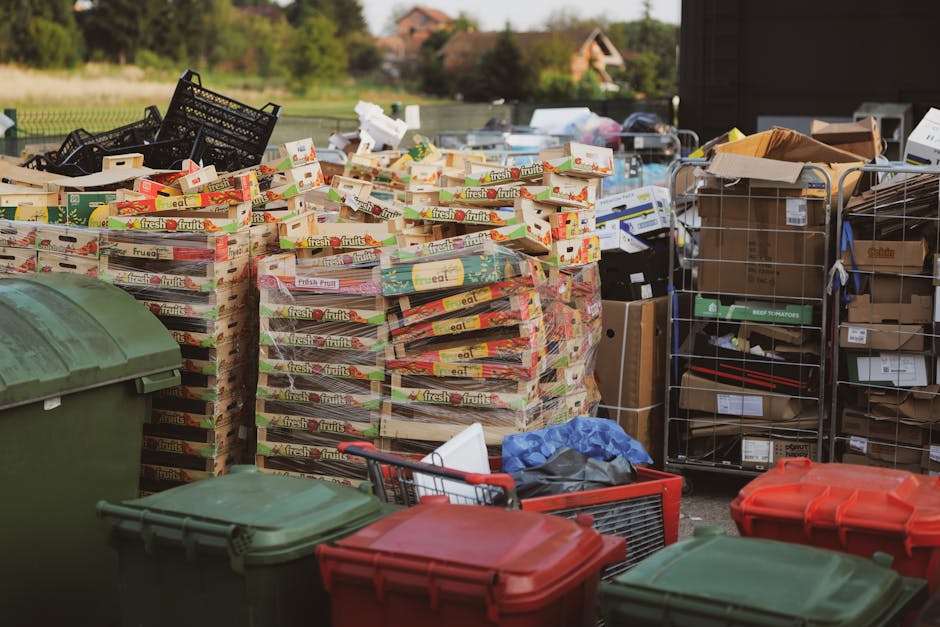
If you live, rent, own, or manage property in Redbridge, waste disposal can get awkward fast. One week it is an overflowing black bag by the front gate; the next, it is a broken wardrobe, a builder's rubble pile, or a garden clear-out after a wet weekend. The rules matter because the wrong set-out, the wrong container, or the wrong disposal route can lead to missed collections, fly-tipping headaches, or simply more mess than you started with.
This guide breaks down What to know about Redbridge Council rules for waste disposal in plain English. You will learn how the system generally works, what residents are expected to do, where people usually go wrong, and how to stay tidy, compliant, and a lot less stressed. And yes, there is a difference between "getting rid of rubbish" and doing it properly. Small difference, big consequences.
Why these waste rules matter
Redbridge Council rules for waste disposal are not just admin in the background. They shape how streets stay clean, how recycling gets separated, and how quickly unwanted items leave your property without causing trouble for neighbours or the local environment. In a busy borough, that matters more than people think.
Let's face it: when waste is handled badly, it becomes visible very quickly. A missed bin day can attract pests. A pile of mixed rubbish outside a flat block can become an eyesore by lunchtime. And when builders' waste, furniture, or garden clippings are left out incorrectly, it often creates issues for everyone nearby, not just the person who put it there.
There is also the practical side. If you understand the rules, you can plan removals better, avoid rejected collections, and make smarter choices about whether to use council services, private clearance, or a specialist collection. That is where a page like recycling and sustainability guidance becomes genuinely useful, because the goal is not just getting rid of waste; it is doing it in a cleaner, more responsible way.
For landlords, managing agents, business owners, and busy families, the rules are even more important. One skipped step can turn a simple clear-up into a repeat job. Nobody needs that on a Tuesday morning, frankly.
How the waste system works
While details can vary by street, property type, and waste stream, most local council systems work around a few core principles: separate waste correctly, use the right container, present it on the right day, and keep prohibited materials out of the household bins. Sounds straightforward. In practice, it is where people get tripped up.
Household waste is usually split into different streams such as general rubbish, recycling, garden waste, and bulky items. The exact set-up may depend on your property, especially if you live in a flat, a shared house, or a home with limited storage for bins. If you are not sure what your property can realistically handle, that is often the first clue that you need a more tailored solution, such as waste clearance in Ilford or a targeted collection service rather than trying to squeeze everything into a standard bin day.
In many cases, the rules also distinguish between:
- Day-to-day household waste such as food packaging, broken household items, and non-recyclable rubbish.
- Recyclables like paper, cardboard, glass, cans, and accepted plastics.
- Garden waste such as grass cuttings, hedge trimmings, and small branches.
- Bulky waste such as sofas, mattresses, wardrobes, and old appliances.
- Special or restricted items including paint, electricals, and certain DIY materials.
One practical thing people overlook: mixed loads create delays. If you put the wrong items in the wrong bag or container, the collection may be refused or the whole lot may be treated as contaminated. That is a pain you can easily avoid with a bit of sorting up front.
If you are clearing a house after a move, probate, or a long-overdue declutter, a service such as house clearance in Ilford can save a lot of back-and-forth, especially when items are too bulky for normal kerbside collection.
Key benefits and practical advantages
Following the local rules properly is not just about compliance. It makes the whole process calmer and more predictable. Here is what you gain when you stay organised.
- Fewer missed collections because the right items are in the right place.
- Less clutter around the home, front garden, or communal area.
- Lower risk of complaints from neighbours, landlords, or building managers.
- Better recycling outcomes because usable materials are not mixed with general waste.
- Less chance of fly-tipping problems around your property.
- More control over timing when you are moving, renovating, or preparing a property for sale.
There is a quieter benefit too: you stop wasting energy on avoidable surprises. If you know what the council will and will not take, you can plan a clear-out in one go rather than doing half a job, then chasing a second solution later. It sounds small. It really is not.
For businesses and office managers, a structured approach also protects daily operations. That is especially true if paperwork, packaging, furniture, or old stock is building up in corners nobody wants to look at. In those cases, office clearance in Ilford can be a more sensible route than trying to improvise with ordinary bins.
Who this is for and when it makes sense
This guidance is useful for almost anyone living or working in Redbridge, but some people feel the pinch more than others.
Homeowners
If you are clearing out the loft, replacing furniture, or doing garden work, the rules help you avoid turning a simple tidy-up into a pile of unmanaged waste. Homeowners tend to accumulate "just for now" items, and then suddenly it is a proper heap. We have all seen it.
Renters and flat residents
Flat living makes waste trickier. Shared bins, tight corridors, and building rules can complicate even basic disposal. If you live near a busy street or in a block with limited storage, the right approach may be more about timing and access than about volume alone. That is why a skip is not always the neatest answer. Sometimes a skip alternative is easier, especially in tighter residential settings.
Landlords and agents
End-of-tenancy waste, abandoned furniture, and garden overgrowth can create time pressure. If you are handling turnarounds between occupancies, you need a practical route that clears the space quickly and leaves it presentable for photos or viewings. If your property is in a particularly active rental area, reading about the local home buying landscape can also help you understand what future buyers and tenants often expect from a clean, compliant property.
Builders and renovators
DIY waste and refurbishment debris are a class of their own. Plasterboard, timber offcuts, tiles, broken fixtures, and packaging can quickly overrun standard disposal options. A specialist approach is usually the least painful route, and sometimes the only one that makes sense.
People preparing to move
Before a move, waste tends to reveal itself in little piles: old cables, damaged chairs, stray decor, and boxes that should have been recycled months ago. It is usually at this point, about 8pm the night before packing begins, that everyone remembers how much stuff they have. Funny, that.
Step-by-step guidance
If you want to handle waste disposal in a way that fits local expectations and avoids last-minute stress, use a simple process. No drama, just order.
- Sort your waste by type. Separate general rubbish, recycling, garden waste, electricals, and bulky items. Do not mix clean recyclables with food-soiled waste if you can help it.
- Check what your property can actually store. Flats and small gardens often have less space than people assume. If the pile is already leaving your hallway looking like a storage unit, you need a better plan.
- Identify restricted items early. Paint, solvents, batteries, and some DIY materials often need special handling. Leave those until the end and your clear-out can stall.
- Choose the right disposal route. For small ongoing waste, normal collections may be enough. For heavier, mixed, or bulky waste, a professional service may be more efficient.
- Set a realistic timeline. Do not leave a full-house declutter for the morning of the collection. That is how people end up standing in the rain moving bin bags around by torchlight.
- Keep access clear. Make sure pathways, gates, shared corridors, and parking areas are not blocked.
- Confirm costs and scope. If you need help, look for clear pricing and a defined scope of work. The page on avoiding hidden charges in rubbish removal quotes is worth a look before you book anything.
A useful rule of thumb: if the waste is awkward to lift, difficult to sort, or too much to fit into normal household arrangements, stop forcing it into the council-bins-only mindset. That is how stress builds.
Expert tips for better results
After enough local clear-outs, a few habits stand out. They are not flashy, but they save time.
- Plan around access, not just volume. A small pile in a third-floor flat can be more complicated than a larger pile at street level.
- Break down furniture early. Flat-pack wardrobes and tables take up far less room once disassembled.
- Keep clean recyclables clean. Cardboard flattened and dry is far easier to manage than crushed, greasy, or soaked material.
- Use the garden waste route properly. Soil, roots, and mixed green waste are not always treated the same way, so avoid assuming everything "organic" belongs together.
- Separate electrical items. Old kettles, monitors, and cables should not get buried under general rubbish.
- Ask about timing for busy streets. In places like station-adjacent roads or busy high streets, access windows matter more than people expect.
One tiny but helpful trick: take a quick photo of the waste before you start. It helps you estimate the amount realistically and stops the classic "that looks smaller in my head" problem. We have all been there.
If the job is more than a simple bin tidy, services such as rubbish removal in Ilford can be the sensible middle ground between doing everything yourself and overcomplicating the process.

Common mistakes to avoid
Most waste-disposal problems are avoidable. The trouble is, people usually make the same handful of mistakes again and again.
- Leaving rubbish beside bins. If it is outside the container and not meant to be there, it can be treated as fly-tipping or simply left behind.
- Mixing recyclable and non-recyclable materials. Contamination can spoil a whole batch.
- Putting out waste too early. A tidy street in the evening can become a mess overnight if items are left out for too long.
- Ignoring bulky item rules. Sofas and mattresses often need separate arrangements. They do not behave like normal refuse, unfortunately.
- Assuming all builders' waste is treated the same. Renovation debris can require specialist handling.
- Forgetting shared-building rules. Flats often have extra restrictions set by the landlord or managing agent.
- Choosing price over clarity. Cheap can become expensive if the service is vague, delayed, or unexpectedly limited.
There is one more mistake worth calling out: people wait too long. Waste disposal is rarely urgent until it suddenly is. Then it becomes a Saturday emergency, and everyone is grumpy before breakfast. Not ideal.
Tools, resources and recommendations
You do not need a complicated system to stay on top of waste disposal. A few simple tools are enough.
- Stackable bags or labelled boxes for sorting waste as you go.
- Marker pens and tape to label items for recycling, donation, or disposal.
- Heavy-duty gloves for sharp, dusty, or awkward items.
- A tape measure if you are trying to work out whether furniture will fit in a vehicle or move through a hallway.
- A phone camera for recording the condition and volume of items before collection.
For many readers, the most helpful next step is simply understanding the difference between a council collection and a dedicated clearance service. If the waste is mixed, bulky, or time-sensitive, a professional clearance route often reduces the risk of rejected items and half-finished jobs. That is why some people prefer browsing the services overview before deciding what fits their situation.
If your main concern is a bigger clear-out after a renovation, builders waste disposal in Ilford is the sort of specialist option that tends to match real-world needs better than trying to improvise with everyday bins.
And if you are dealing with hedges, cuttings, or an overgrown back space after a damp spell, garden waste removal in Ilford is usually a cleaner route than stuffing everything into general refuse bags.
Law, compliance and best practice
Waste disposal in the UK sits within a wider legal and environmental framework, so the basic principle is simple: do not dump waste where it should not go, and do not hand waste to anyone who cannot handle it properly. Councils, landlords, and property managers all rely on residents doing their part.
Best practice usually means:
- Using approved containers and collection methods.
- Separating recyclables from general waste where possible.
- Keeping hazardous or restricted items out of standard bags.
- Making sure waste does not obstruct pavements, entrances, or shared areas.
- Using a responsible carrier for mixed or bulky waste if the council route is not suitable.
There is also a trust point here. Any provider handling waste should be able to explain what happens to collected items, how they are sorted, and how they prioritise recycling or lawful disposal. A service that cannot explain that clearly is one to approach carefully. No need to make a drama of it, but you should ask.
For readers who care about responsible disposal choices, the recycling and sustainability page is a useful companion piece because it keeps the focus on practical environmental responsibility, not empty green slogans.
And because safety matters too, especially with heavy lifting, sharp edges, and awkward access, it helps to understand insurance and safety arrangements before arranging any clearance work.
Options and comparison table
Different waste problems need different solutions. The right choice depends on how much you have, what the items are, and how quickly you need them gone.
| Option | Best for | Pros | Watch-outs |
|---|---|---|---|
| Council collection | Routine household waste and accepted recycling | Simple, familiar, usually suitable for regular needs | Limited for bulky, mixed, or restricted waste |
| Bulky item disposal | Furniture, mattresses, and large household items | Designed for oversized objects | May need booking and exact preparation |
| Garden waste service | Cuttings, branches, and light outdoor debris | Cleaner than mixing with general waste | Soil-heavy or mixed loads may need extra care |
| Specialist clearance | House, office, builders', or mixed waste | Fast, flexible, suited to bigger jobs | Needs clear scope and transparent pricing |
For a lot of people, the answer is not either/or. It is "start with what the council can take, then use specialist support for the awkward remainder." That hybrid approach is often the least stressful and most cost-aware. In fact, it is usually the quiet smart move.
Real-world example
Picture a typical semi-detached house clear-out in Ilford after a long tenancy. There are three bin bags of ordinary rubbish, two broken dining chairs, an old mattress, a small pile of garden cuttings, and a few boxes of mixed household bits from the shed. Nothing outrageous. But it is enough to become annoying quickly.
The first instinct might be to leave it by the bins and hope for the best. That is the wrong move. A better plan would be to sort the clean recyclables, separate the garden waste, identify the mattress and chairs as bulky items, and check what can genuinely be placed out for council collection. If the leftover pile is still too awkward or too much, a clearance service becomes the tidy finish to the job.
In practice, this is where a service like house clearance in Ilford or even a targeted same-day collection can make a messy transition feel manageable. You clear the property once, properly, and move on without the second wave of stress.
We have seen that the biggest relief for most people is not the disposal itself. It is getting the space back. You hear the floorboards again. You can open the windows. The room feels like itself again. Small thing, but oddly satisfying.

Practical checklist
Use this before you set anything out for collection or book a clearance service.
- Have I separated general waste, recycling, garden waste, and bulky items?
- Do I know which items are restricted or need special handling?
- Is the waste stored safely and not blocking access?
- Have I checked whether my building has its own waste rules?
- Do I need a one-off clear-out rather than a normal bin collection?
- Have I measured large items or checked whether they can be carried out safely?
- Have I confirmed the collection time and any preparation requirements?
- Have I looked at pricing carefully so I know what is included?
- Am I dealing with a small, medium, or large amount of waste?
- Would a specialist service save me a second round of effort?
If you can tick most of those off, you are usually in good shape. If not, pause. Better to sort it once than deal with avoidable hassle later.
Get a free quote today and see how much you can save.
Conclusion
What to know about Redbridge Council rules for waste disposal comes down to a simple idea: sort waste properly, use the right route for the right material, and do not leave disposal until it has become a problem. That alone solves a surprising amount of stress.
For routine household waste, the council system is usually enough. For bulky items, mixed rubbish, garden clearances, office waste, or builders' debris, a more tailored approach is often easier and cleaner. The best outcome is not just a tidy bin day. It is a property that feels under control again.
And if your current pile of rubbish is staring at you from the corner of the room, take the hint. Sort it today, and tomorrow will feel much lighter. Sometimes that is all it takes.


 Tipper Van - Waste Collection and Rubbish Removal Prices in Ilford, IG1
 Luton Van - Waste Collection and Rubbish Removal Prices in Ilford, IG1